A quiet but critical shift is reshaping the electric unicycle market in mid-2026: UL2272 battery safety certification has moved from a competitive differentiator to an industry baseline. Established manufacturers are now rolling out UL-certified batteries as default, while retailers increasingly screen out uncertified imports — a turn toward standardized safety that represents the most significant shift in EUC quality control in several years.
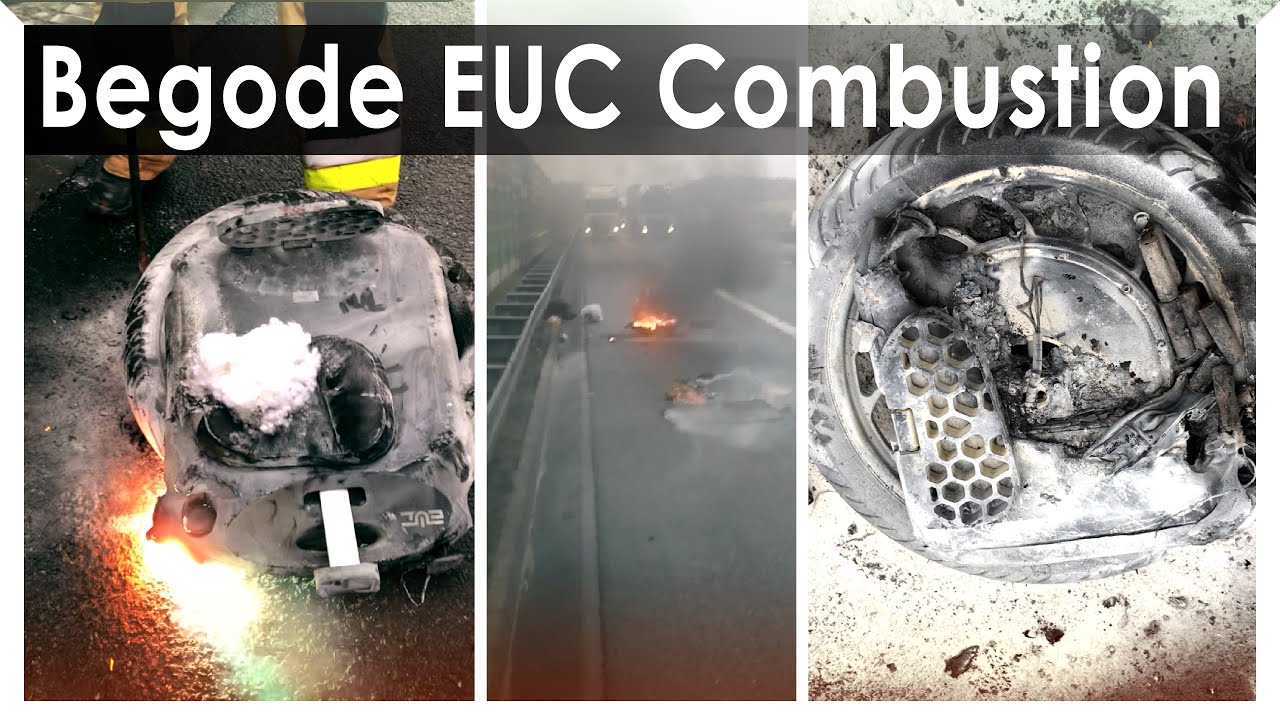
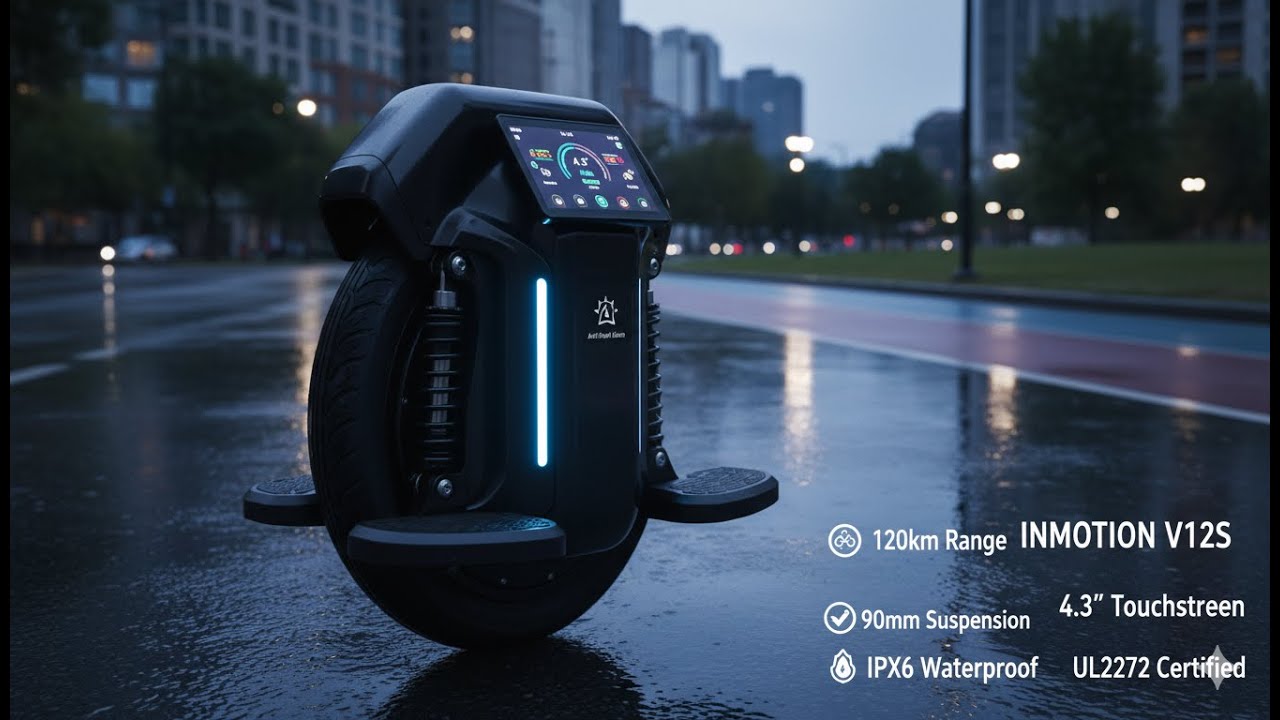
UL2272 certification verifies rigorous fire safety testing for batteries and electronics, with testing protocols covering thermal runaway behavior, wiring integrity, charging safety, and short-circuit protection. The standard emerged from e-scooter incidents in the early 2020s, but EUC adoption has lagged until 2026. What changed is supply-chain pressure: retailers and insurance carriers are now requiring proof of certification, and riders in regulated markets like the UK and parts of the EU cannot legally operate uncertified wheels.
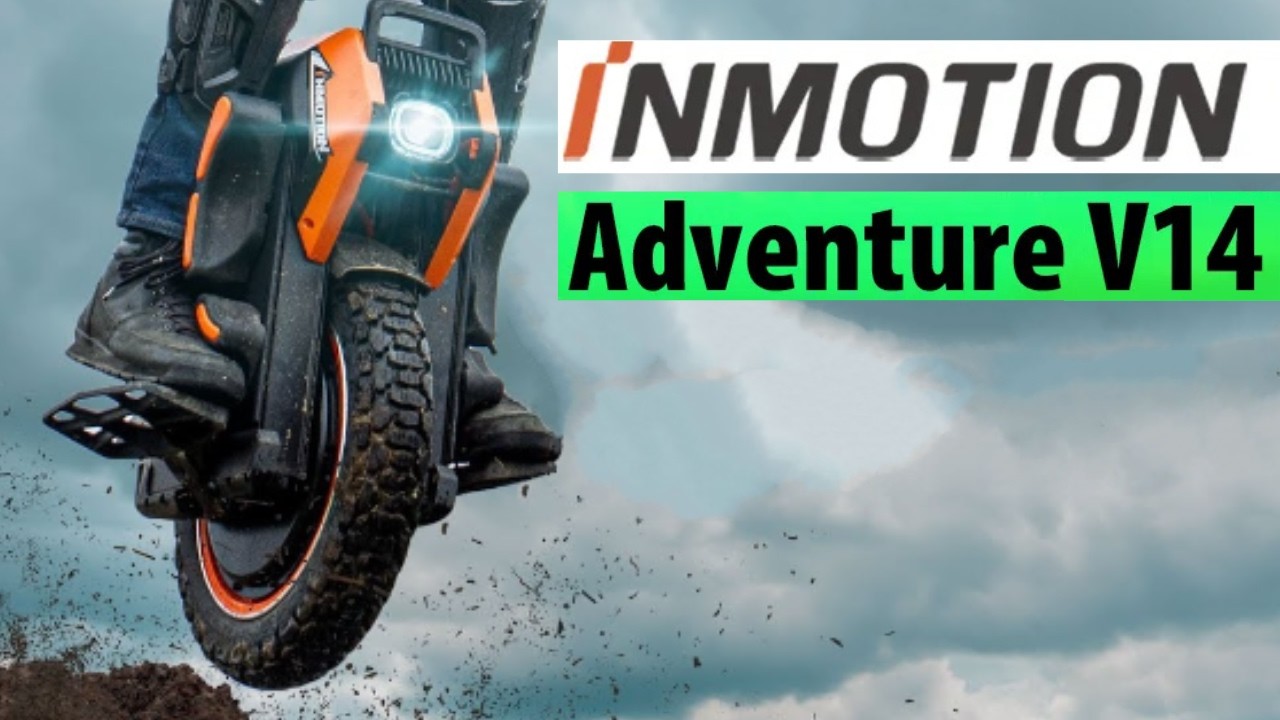
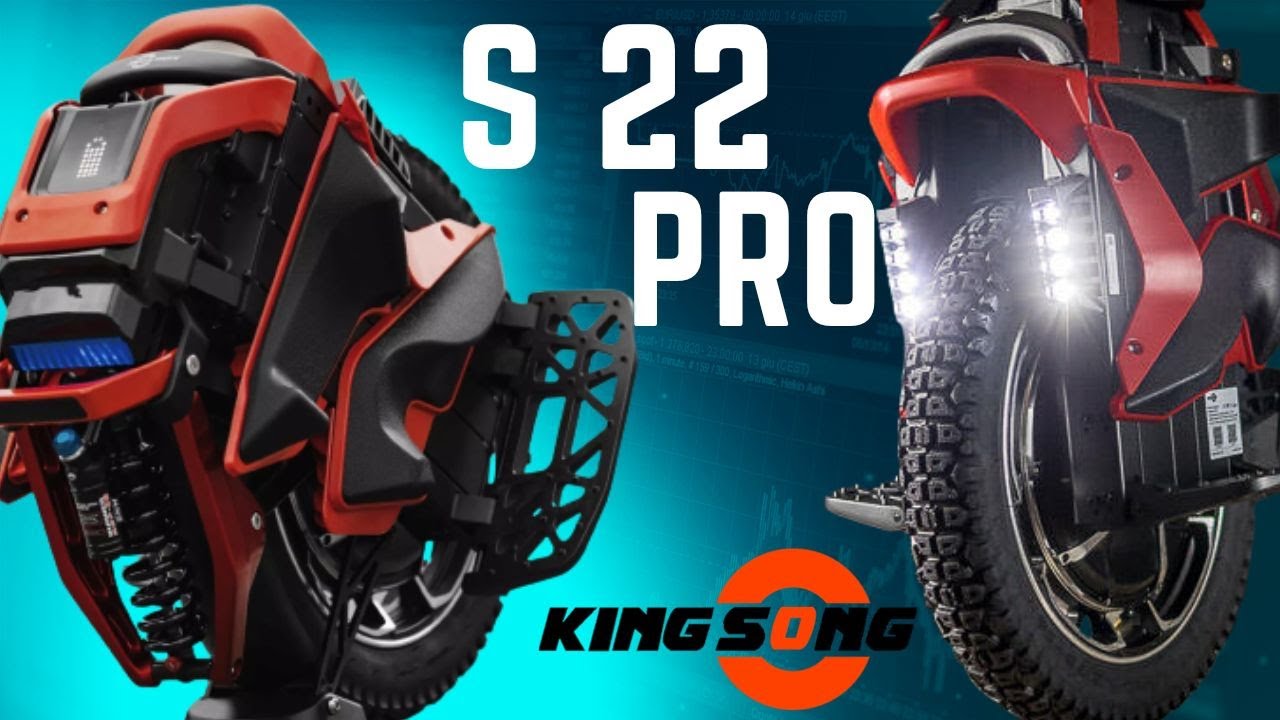
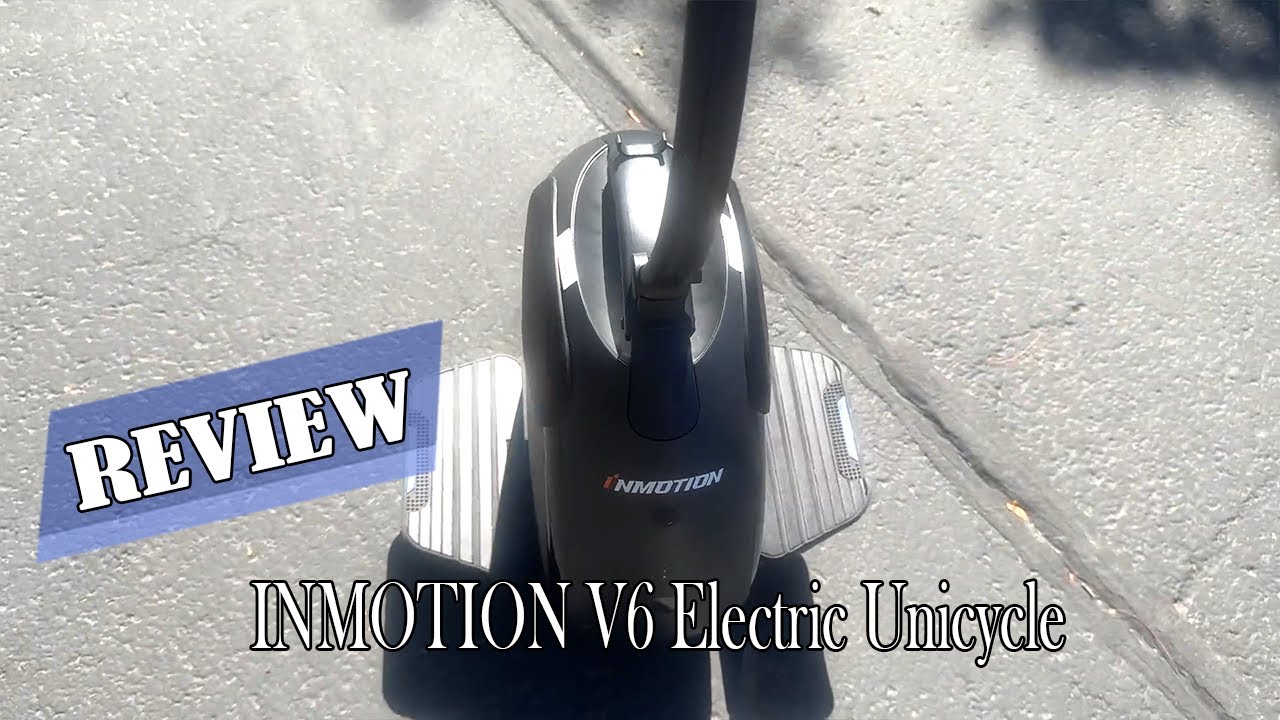
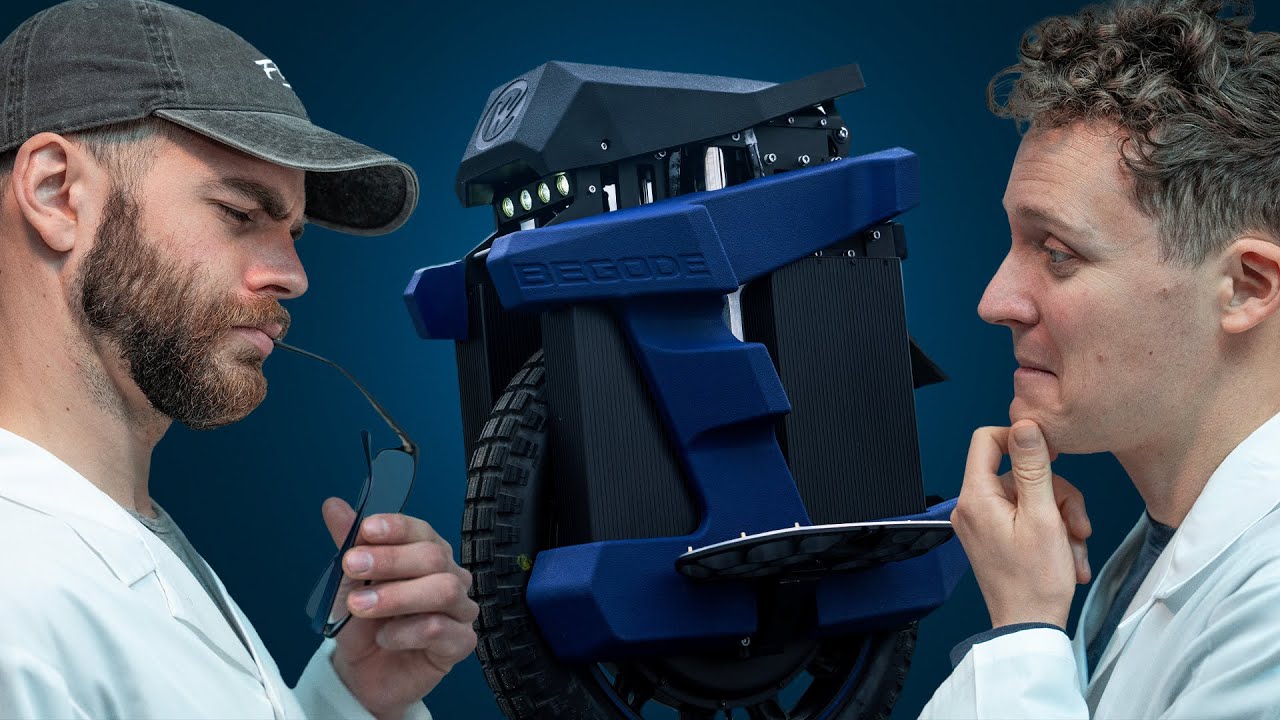
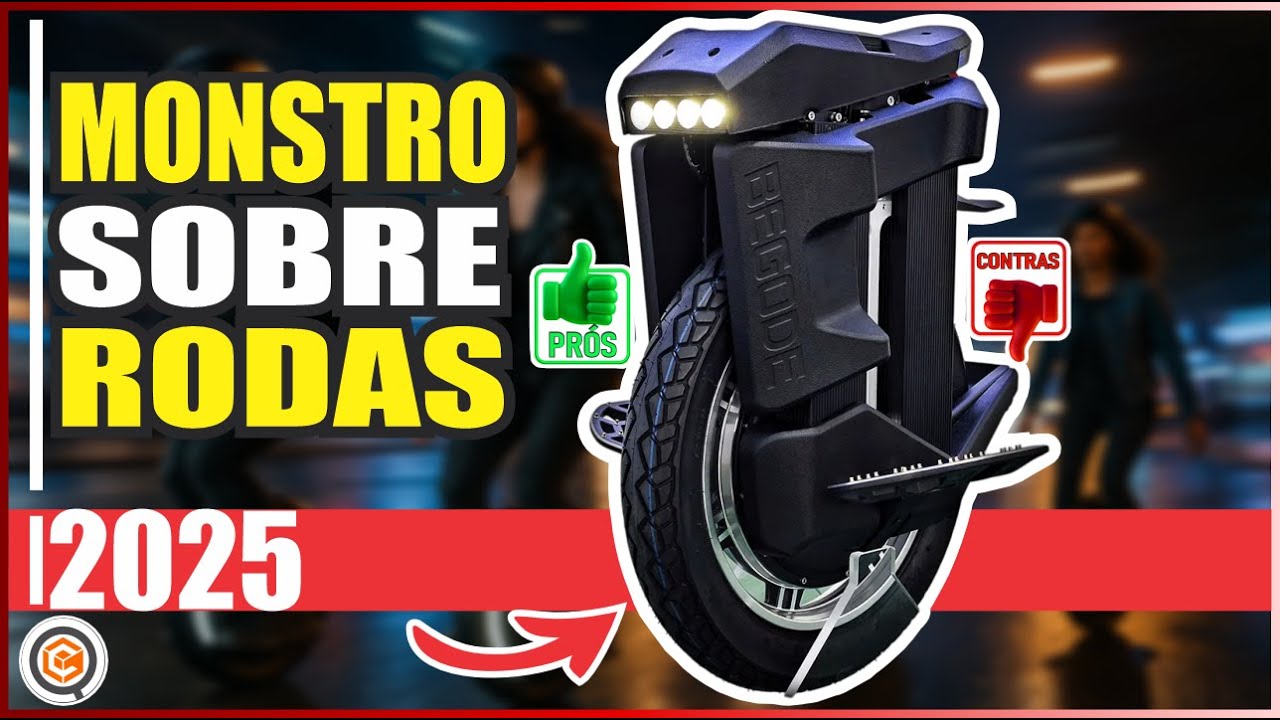
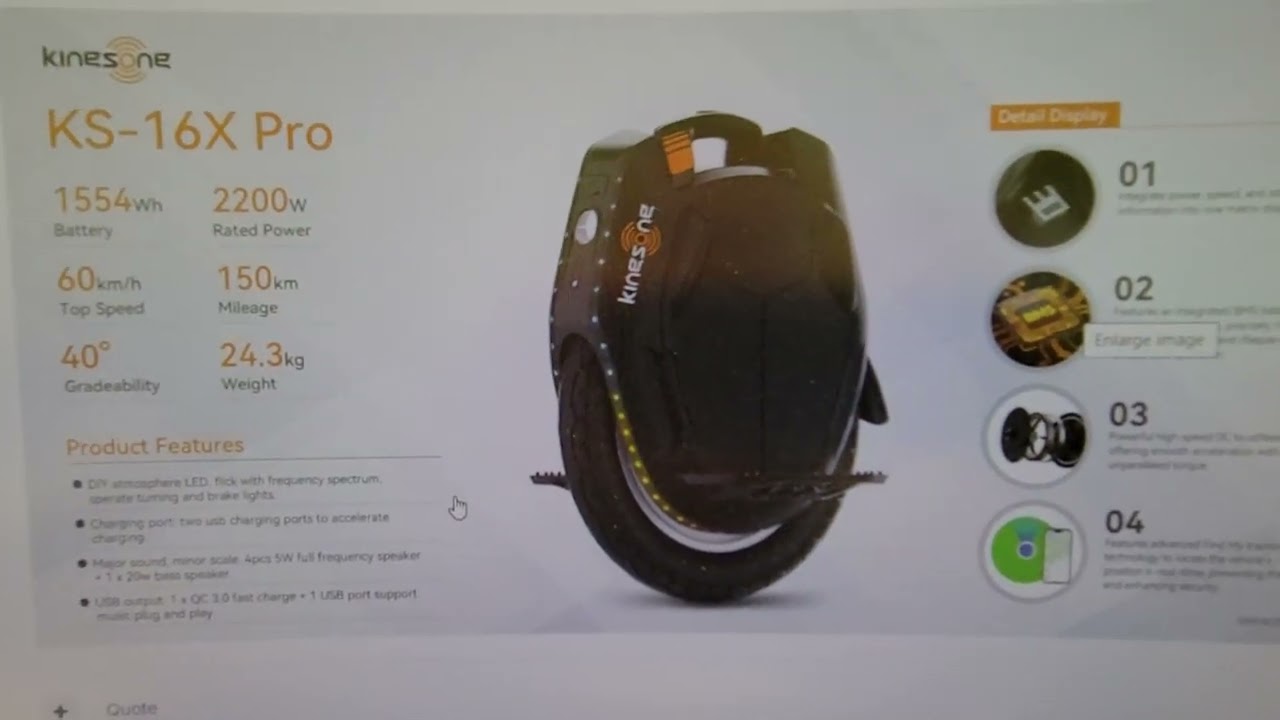
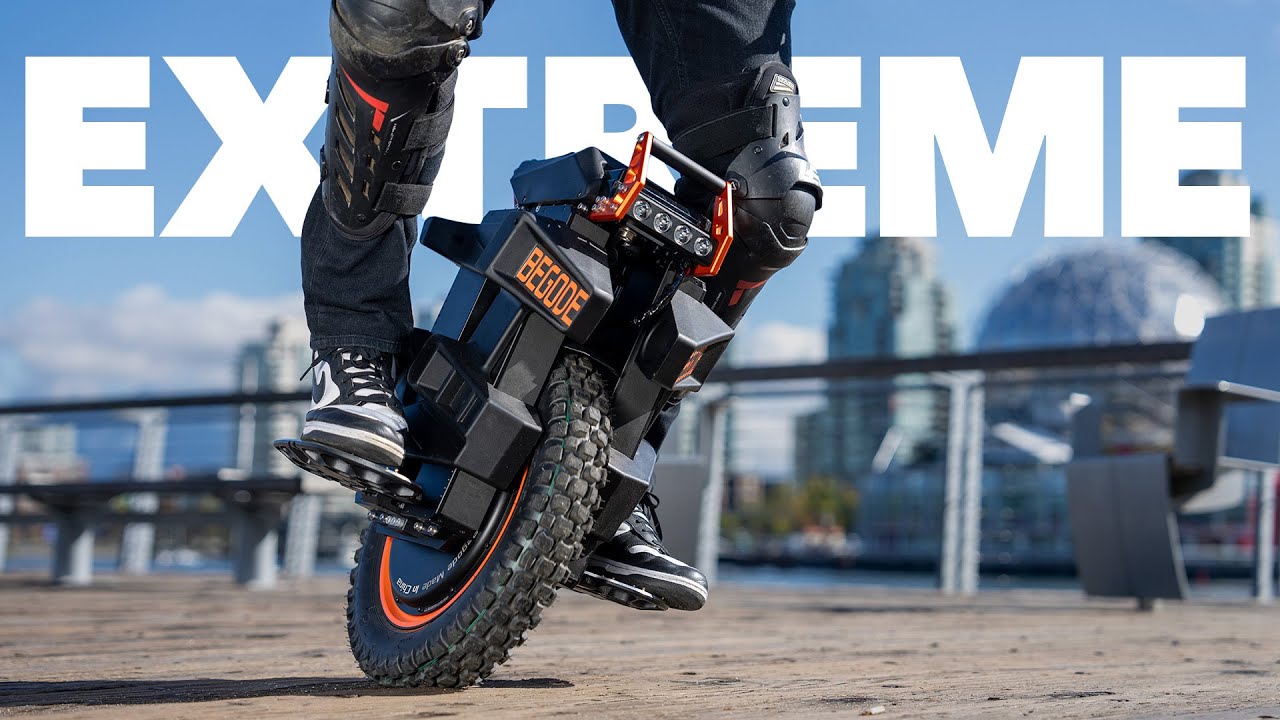
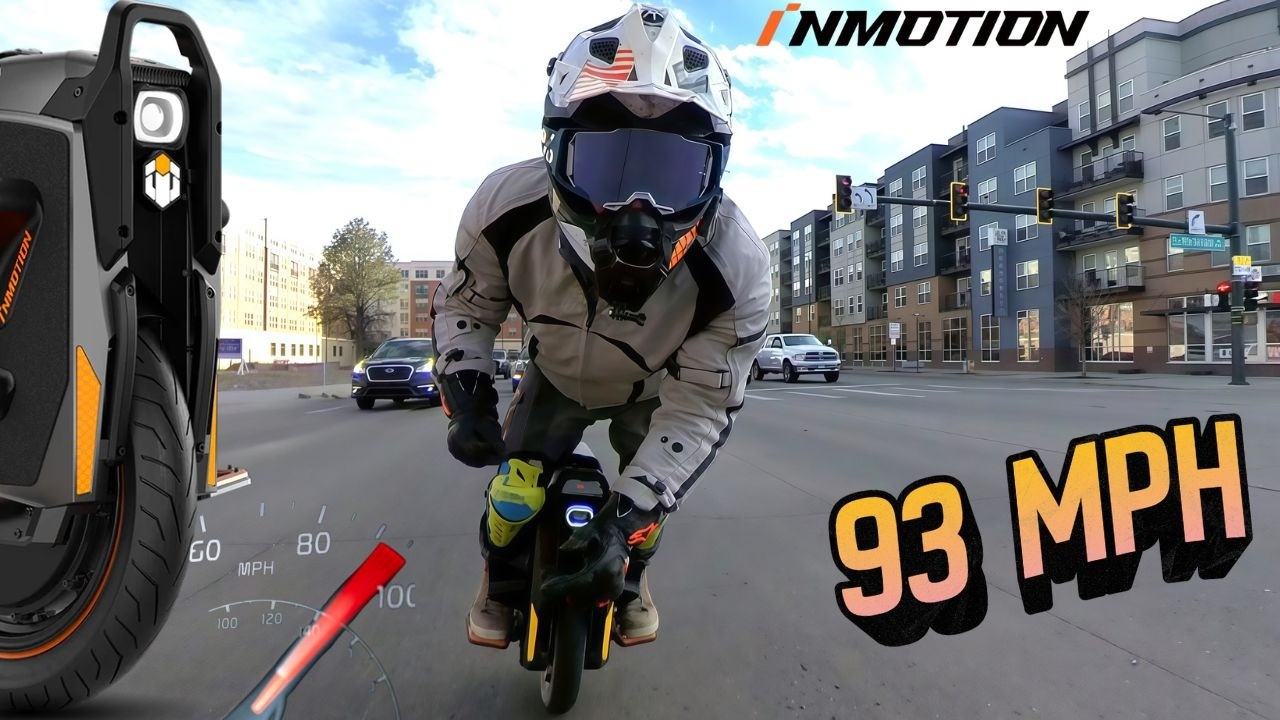
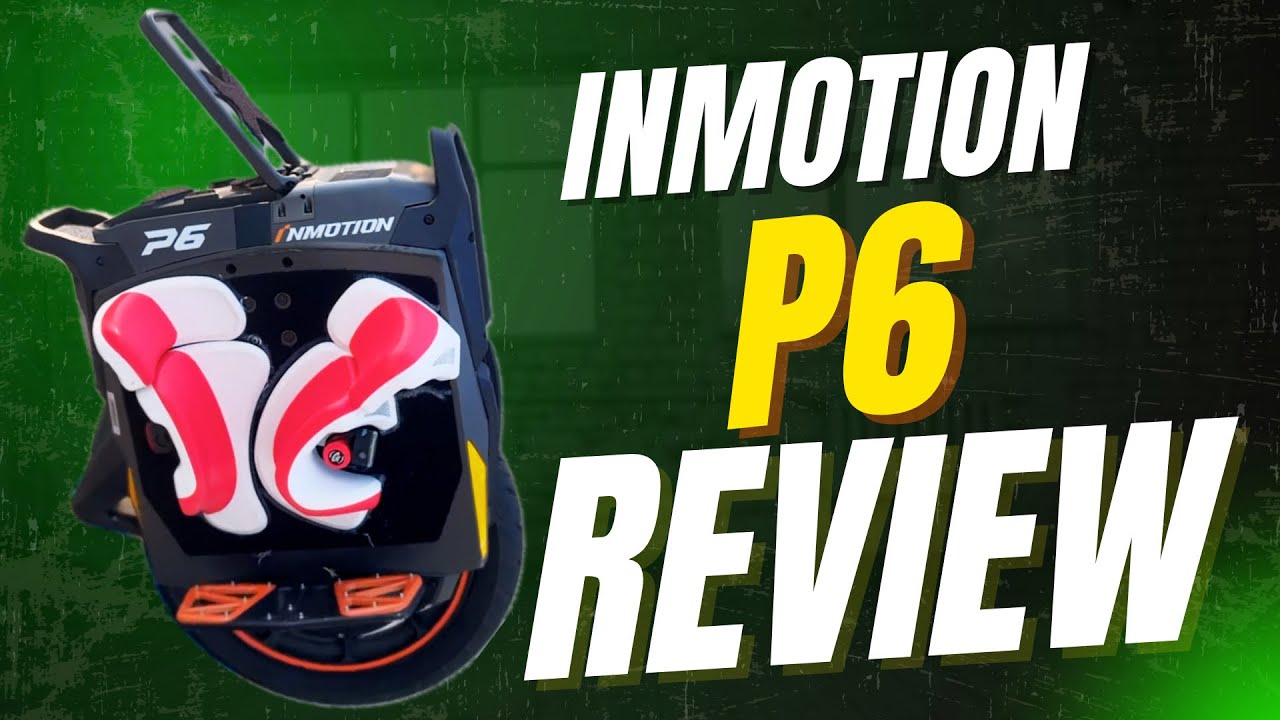
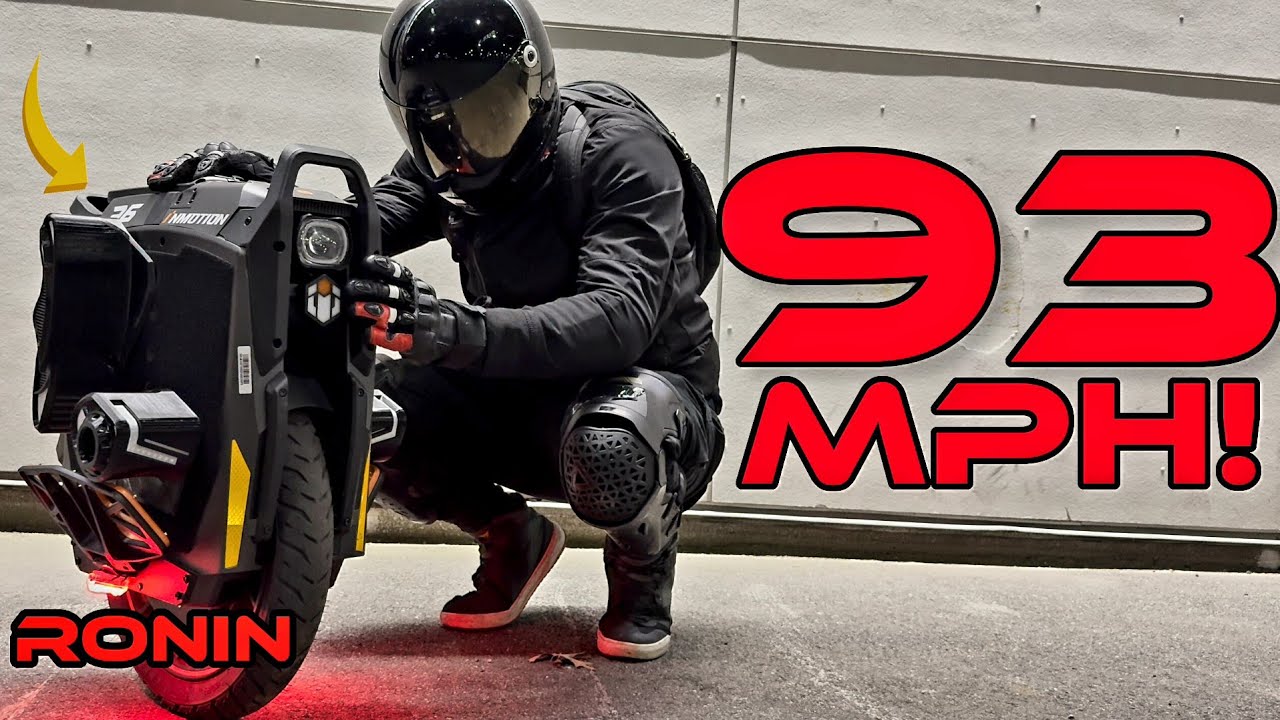
The adoption wave shows up differently across brands. Premium manufacturers like INMOTION, Begode, and KingSong have shifted to UL-certified batteries as standard — often with integrated safety shields and kill-switches that meet or exceed the standard. Mid-market brands have followed suit, cutting untested imports from their lineups. What remains scattered is the aftermarket: replacement batteries, home-built packs, and third-party chargers operate in a grey zone where certification is optional and rarely disclosed.
Behind the certification push sits a secondary wave of innovation. Battery management systems (BMS) are becoming smarter — cell balancing extends lifespan, while real-time temperature monitoring prevents thermal events before they start. Solid-state battery research, though still in early stages, promises higher energy density and faster charging without the volatility of current lithium designs. For riders, the practical upshot is simpler: charge to 80 percent for daily commuting to extend pack life, avoid fast-charging in high heat, and use only the manufacturer's specified charger — practices that UL-certified systems now enforce automatically.
For riders shopping in 2026, a UL2272 sticker or manufacturer statement of certification should now be table stakes, not a luxury. For the industry, it signals maturity: the EUC market is moving beyond raw voltage wars toward the unsexy work of reliable, reproducible safety — the unglamorous foundation every rider depends on.